Topic 3
Collaboration
Small-team collaboration works best when the repository rhythm is boring, explicit, and easy to recover.
Agree on a shared rhythm
Teams stay coordinated when everyone shares the same basic expectations:
- pull before major work
- commit coherent units
- push regularly instead of hoarding changes
Communicate before surprises
If you are about to rename many files, reorganize a folder, or rewrite a shared section, tell the other collaborators first. Most collaboration pain comes from surprise, not from Git itself.
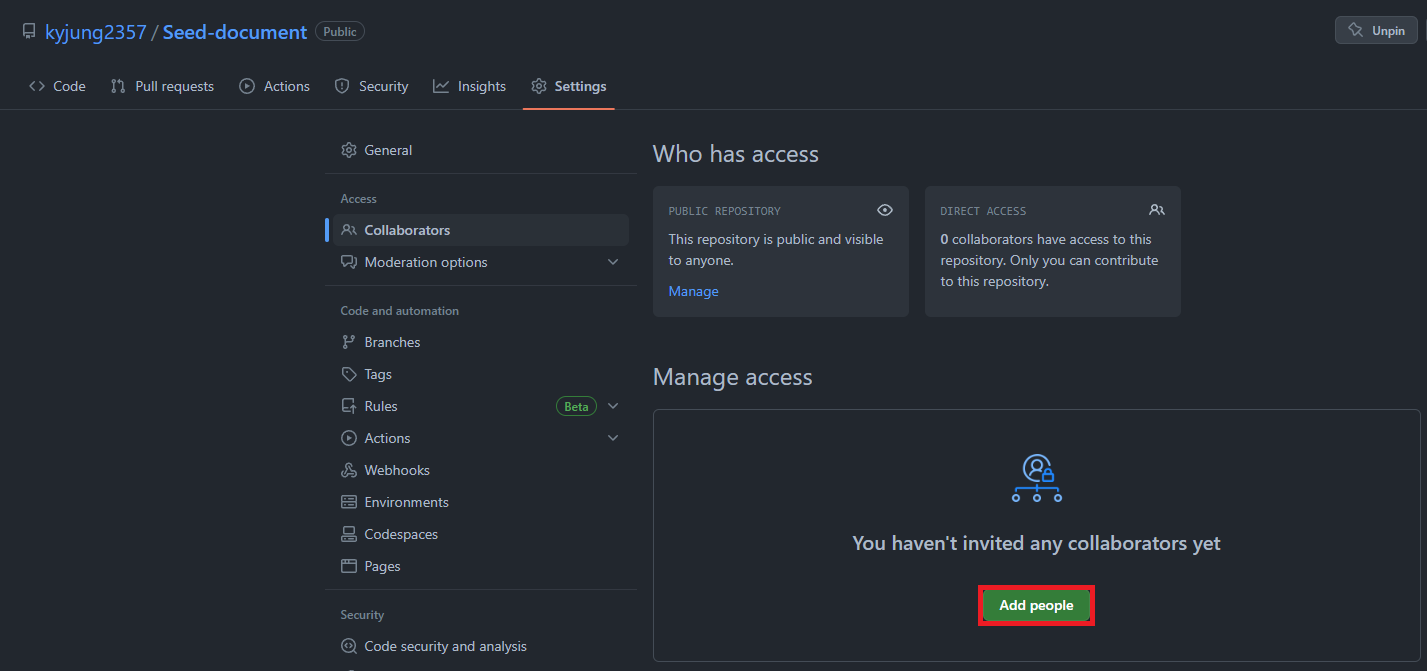
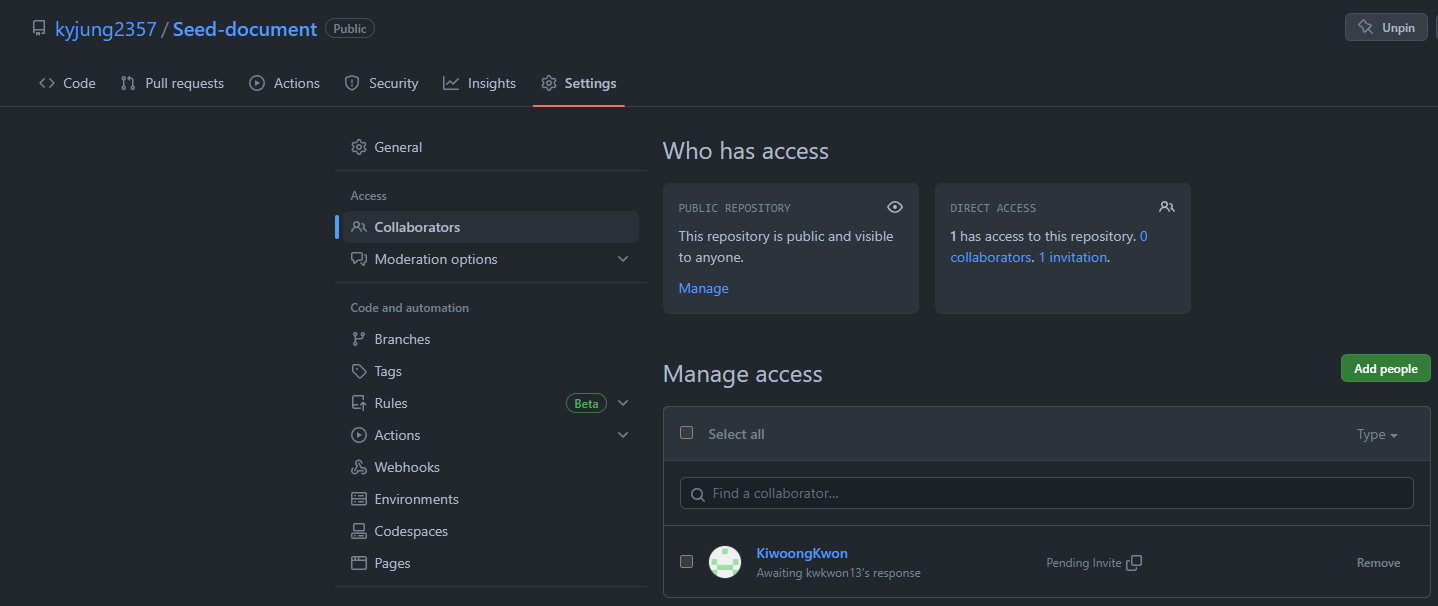
Before shared work begins, open repository settings to manage access.
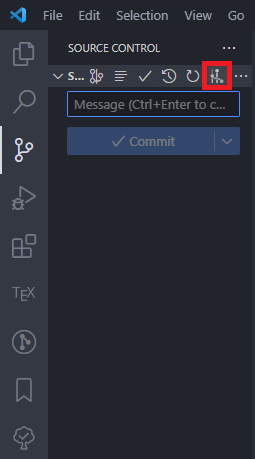
Open the access page to see who already has repository access.
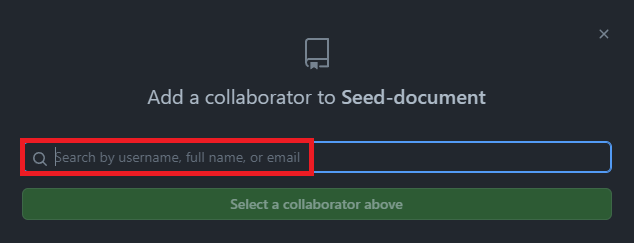
The invitation flow starts by searching for the collaborator by username or email.
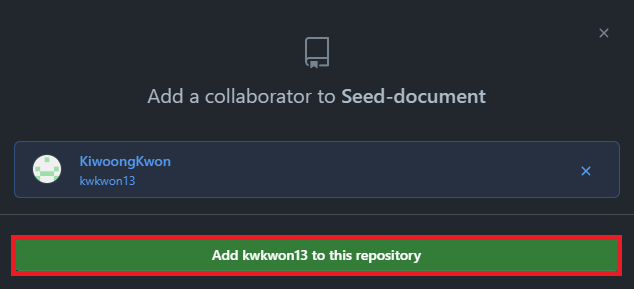
After the correct person appears, confirm the invitation so GitHub can send access to that collaborator.
A pending invitation is a normal intermediate state before the collaborator accepts and joins the repository.
Keep history readable
Clear commit messages and smaller work units make collaboration calmer. The goal is not perfect history. The goal is history another person can follow.
Before proceeding
If your collaborators can predict how and when changes will appear in the repository, the workflow is in a good place.